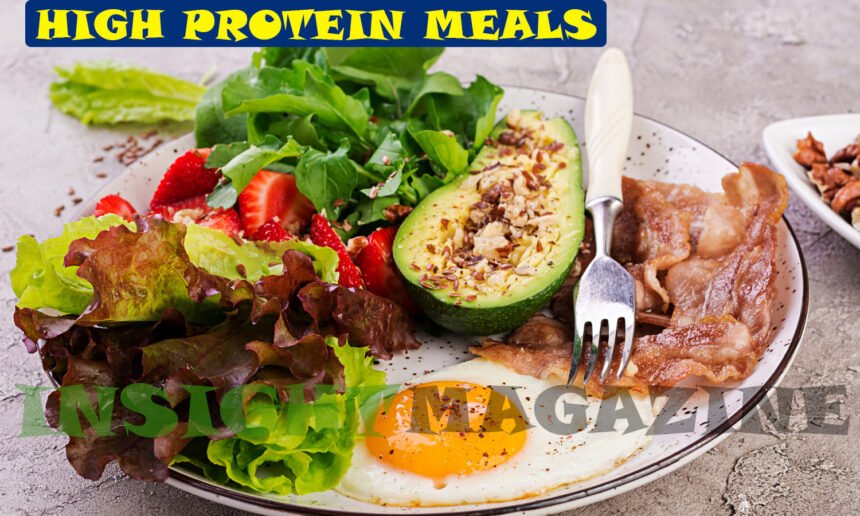
High protein meals can make everyday eating more satisfying while supplying nutrients the body needs to maintain muscles, bones, skin, enzymes, and other tissues. Protein is available in far more foods than chicken breast and protein shakes. Eggs, fish, yogurt, lentils, beans, tofu, nuts, seeds, poultry, and lean meats can all contribute. The best approach is usually to combine protein with vegetables, whole grains, fruit, and healthy fats rather than focusing on protein alone.
How much protein someone needs depends on factors such as body size, age, activity level, and health. Harvard’s Nutrition Source notes that the minimum recommended intake for adults is about 0.8 grams per kilogram of body weight per day. Active people may need more. Instead of chasing the highest possible number, focus on balanced, practical high protein meals built from nutritious foods you genuinely enjoy.
What Makes a Meal High in Protein?
There is no single food that turns an otherwise poor diet into a healthy one. A useful high protein meal combines a meaningful protein source with other nutrient-rich foods. The USDA includes seafood, meat, poultry, eggs, beans, peas, lentils, nuts, seeds, and soy products within its Protein Foods Group. It also recommends varying protein choices instead of relying on one food every day.
Quality matters alongside quantity. For example, cooked lentils provide protein together with fiber, while salmon supplies protein and beneficial fats. Harvard emphasizes the importance of considering the entire protein “package” rather than judging food only by its protein content. A balanced plate might therefore contain grilled fish, brown rice, and vegetables, or lentils, whole grains, salad, and a yogurt-based side.
High Protein Breakfast Meals
Breakfast does not have to revolve around cereal or toast. Eggs are an easy starting point and can be combined with vegetables and whole-grain toast. Greek-style yogurt can be served with oats, fruit, nuts, and seeds. Another option is oatmeal prepared with milk or fortified soy milk and topped with nuts or seeds. Leftovers can work too; there is no nutritional rule saying chicken, lentils, or beans belong only at lunch or dinner.
For a plant-based breakfast, try tofu scrambled with peppers, onions, tomatoes, and spinach. Overnight oats can include soy milk, chia seeds, and nut butter. People who enjoy savory breakfasts can prepare beans with eggs or tofu and vegetables. These combinations add variety while providing carbohydrates, fats, fiber, vitamins, and minerals alongside protein. Whole foods can often provide enough protein without requiring a protein powder or specialized high-protein product.
Easy High Protein Lunch Ideas
A good high protein lunch should be filling without becoming unnecessarily complicated. A chicken and grain bowl is one practical choice: combine cooked chicken with brown rice or quinoa, plenty of vegetables, and a simple yogurt or olive-oil-based dressing. A tuna and bean salad offers another convenient option, especially when you need something that can be prepared quickly. Lentil soup with whole-grain bread can provide a satisfying meat-free meal.
Meal preparation makes these lunches easier during a busy week. Cook one or two protein sources in advance, prepare a whole grain, and wash or roast several vegetables. You can then create different combinations instead of eating the exact same meal repeatedly. For example, cooked chickpeas might become a salad one day and a grain bowl the next. Chicken can be used in wraps, salads, and rice bowls without requiring a completely new recipe each time.
High Protein Dinner Ideas
Dinner provides plenty of opportunities to build balanced high protein meals. Salmon with roasted vegetables and quinoa is a straightforward example. Skinless chicken with brown rice and a large mixed salad is another. Vegetarians can use tofu or tempeh in stir-fries, while lentil curry served with vegetables and a sensible portion of rice creates an affordable plant-based dinner. Beans can also be added to soups, stews, tacos, and grain bowls.
Variety is important because different foods bring different nutrients to the table. The USDA encourages choosing lean or low-fat meat and poultry while also including seafood, beans, peas, lentils, nuts, seeds, and soy foods. Harvard similarly recommends emphasizing foods such as fish, poultry, beans, nuts, and other plant proteins rather than regularly depending on processed meats.
High Protein Meals for Muscle Growth and Active Lifestyles
Protein plays an important role in maintaining and building muscle, but eating more protein cannot replace resistance training. People who exercise regularly may require more protein than sedentary adults. A position statement from the International Society of Sports Nutrition has suggested approximately 1.4–2.0 grams of protein per kilogram of body weight per day for healthy, physically active people, although individual requirements differ.
Active people can distribute protein-containing foods across their meals rather than trying to consume everything at once. Breakfast might include eggs and yogurt, lunch could feature chicken or lentils, and dinner might contain fish, tofu, or beans. Snacks such as yogurt, milk, edamame, nuts, or cottage cheese can contribute too. People with medical conditions or unusually high nutritional requirements should discuss major dietary changes with a qualified healthcare professional or registered dietitian.
Plant-Based High Protein Meals
You do not need meat at every meal to eat more protein. Lentils, chickpeas, beans, tofu, tempeh, soybeans, nuts, seeds, and certain whole grains can all contribute to daily protein intake. Harvard notes that people avoiding animal products can obtain the essential amino acids they need by eating a varied selection of protein-containing plant foods throughout the day.
Simple combinations make plant-based meals easier. Try lentil curry with vegetables, tofu stir-fry with brown rice, bean chili, chickpea salad wraps, or tempeh with roasted vegetables and quinoa. Legumes are particularly useful because they can provide both protein and fiber. Keeping canned beans, dried lentils, tofu, frozen edamame, nuts, and seeds available at home also makes it easier to prepare a protein-rich meal without relying on heavily processed substitutes.
Building Balanced High Protein Meals
Protein is only one part of a healthy diet. Harvard’s Healthy Eating Plate suggests making roughly half the plate vegetables and fruits, about one-quarter whole grains, and about one-quarter healthy protein, while also including healthy oils and choosing water as the main beverage. This approach prevents “high protein” from becoming an excuse to remove vegetables, fiber-rich carbohydrates, or healthy fats from everyday meals.
A simple formula is protein + vegetables + a quality carbohydrate + healthy fat. For example, combine grilled chicken, mixed vegetables, brown rice, and an olive-oil dressing. A vegetarian version could use lentils, roasted vegetables, quinoa, and tahini. Portions should reflect personal energy needs rather than a universal meal plan. The goal is to create meals that are nutritionally balanced, enjoyable, and realistic enough to eat regularly.
Common Mistakes When Eating More Protein
One common mistake is assuming that more protein is automatically better. Another is concentrating heavily on processed meat or protein-branded packaged foods while ignoring overall diet quality. Protein bars, shakes, and powders can be convenient, but they are not essential for everyone. Harvard notes that powders can contain ingredients such as added sugars, sweeteners, flavorings, vitamins, and minerals, so reading the ingredient and nutrition labels is worthwhile.
It is also easy to forget fiber when increasing protein. Meals based almost entirely on meat, cheese, or supplements may leave little room for vegetables, fruits, legumes, and whole grains. Instead, choose protein sources that complement a varied diet. Beans and lentils are especially useful because they contribute both protein and fiber. Fish, poultry, eggs, soy foods, nuts, seeds, yogurt, and legumes can provide variety without making every meal feel identical.
Conclusion
High protein meals do not need to be expensive, restrictive, or dominated by meat and supplements. Everyday foods such as eggs, yogurt, chicken, fish, lentils, beans, tofu, tempeh, nuts, and seeds make it possible to build satisfying meals for many different eating styles. Choosing a variety of protein sources also helps bring different nutrients into the diet instead of focusing on a single number.
For most people, the simplest strategy is to include a nutritious protein source at regular meals and surround it with vegetables, fruits, whole grains, and healthy fats. Individual requirements can vary considerably, especially for athletes and people with specific medical or nutritional needs. Rather than chasing the highest possible protein intake, aim for balanced high protein meals that fit your lifestyle and can realistically become part of your normal routine.
FAQs About High Protein Meals
1. What are some easy high protein meals?
Easy options include eggs with vegetables and whole-grain toast, Greek-style yogurt with oats and nuts, chicken grain bowls, tuna and bean salad, lentil soup, tofu stir-fry, bean chili, and salmon with vegetables. Choose meals that fit your budget, preferences, dietary requirements, and cooking time.
2. How much protein does an adult need each day?
A commonly used minimum reference for healthy adults is approximately 0.8 grams of protein per kilogram of body weight per day. Individual needs can differ according to factors including activity, age, body size, pregnancy, and health status.
3. Can vegetarian meals be high in protein?
Yes. Beans, lentils, chickpeas, tofu, tempeh, soybeans, nuts, seeds, eggs, and dairy foods can contribute substantial protein. Vegans can rely on plant-based options such as legumes, soy products, nuts, seeds, and whole grains while eating a varied diet.
4. Do I need protein shakes to eat a high protein diet?
Not necessarily. Many people can meet their protein requirements through ordinary foods. Eggs, dairy or fortified alternatives, fish, poultry, legumes, tofu, tempeh, nuts, and seeds provide numerous options. Supplements can be convenient in some situations, but convenience does not make them essential.
5. Are high protein meals good for weight loss?
Protein-containing meals can be part of a weight-management diet, but protein alone does not guarantee weight loss. Total energy intake, food quality, activity, sleep, and long-term eating habits also matter. A sustainable approach focuses on balanced portions and nutrient-rich foods rather than simply adding extra protein to an existing diet.
Visit For More Info : Insight Magazine