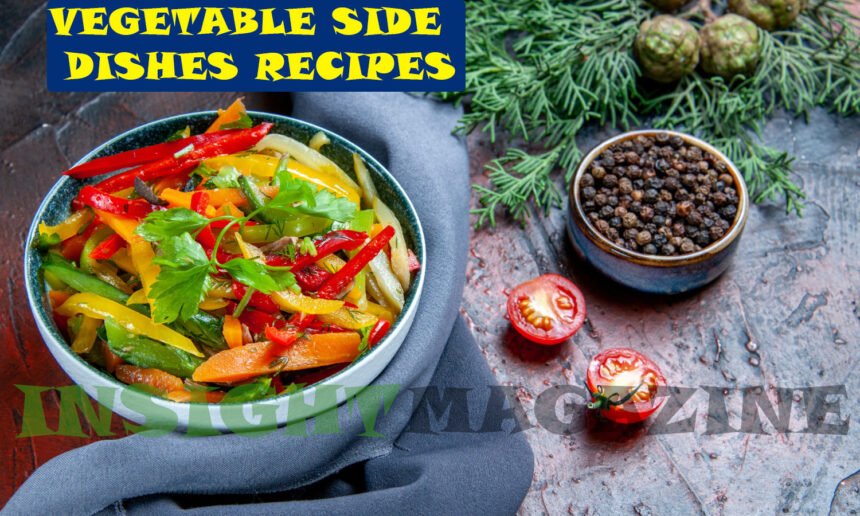
Vegetable side dishes recipes can turn an ordinary lunch or dinner into a colorful, balanced, and satisfying meal. Instead of serving plain steamed vegetables every day, simple cooking methods such as roasting, sautéing, grilling, baking, and tossing vegetables into fresh salads can create better texture and flavor. Carrots, broccoli, zucchini, green beans, cauliflower, spinach, cabbage, sweet potatoes, and Brussels sprouts are all versatile choices that work with many main dishes.
Vegetables also contribute important nutrients such as dietary fiber, potassium, folate, vitamin A, and vitamin C. The USDA recommends eating vegetables from several subgroups, including dark-green, red and orange, starchy vegetables, beans, peas and lentils, and other vegetables. The recipes below focus on straightforward ingredients and flexible preparation methods that make vegetables easier to enjoy regularly.
Quick Facts About Vegetable Side Dishes
| Quick Fact | Details |
|---|---|
| Recipe type | Side dishes |
| Main ingredients | Fresh, frozen, or canned vegetables |
| Popular methods | Roasting, grilling, sautéing, steaming, baking |
| Common vegetables | Broccoli, carrots, zucchini, cauliflower, green beans |
| Typical preparation time | About 10–20 minutes |
| Typical cooking time | About 10–40 minutes, depending on the recipe |
| Suitable for | Lunch, dinner, gatherings, meal prep |
| Flavor options | Herbs, garlic, lemon, spices, olive oil |
| Dietary flexibility | Many recipes can be vegetarian, vegan, or gluten-free |
| Nutritional value | Varies according to ingredients and preparation |
| Best approach | Use different vegetables, colors, and cooking methods |
Why Vegetable Side Dishes Deserve a Place at the Table
A good vegetable side does more than fill empty space beside the main course. It introduces different colors, textures, flavors, and nutrients to a meal. Vegetables can provide dietary fiber and important vitamins and minerals, while naturally offering many choices that are relatively low in calories before rich sauces and other additions are included. The USDA specifically encourages variety rather than relying on only one vegetable repeatedly.
Variety matters because individual vegetables have different nutritional profiles. Harvard’s Nutrition Source similarly recommends eating vegetables and fruits in different types and colors rather than expecting one food to provide everything the body needs. This makes vegetable side dishes recipes an easy way to rotate broccoli, leafy greens, peppers, carrots, squash, beans, cabbage, and other produce throughout the week.
Easy Roasted Vegetable Side Dishes Recipes
Roasting is one of the simplest ways to make vegetables deeply flavorful. For garlic roasted broccoli, cut one large head of broccoli into similar-sized florets. Toss it with about one tablespoon of olive oil, two minced garlic cloves, black pepper, and a small amount of salt. Spread the broccoli in a single layer on a baking sheet. Roast at about 425°F (220°C) until tender with browned edges, generally around 18–25 minutes depending on floret size. Finish with fresh lemon juice.
The same basic technique works beautifully with carrots. Cut four medium carrots into sticks, toss them lightly with olive oil, black pepper, thyme, and a little salt, then roast until tender and caramelized around the edges. For additional flavor, add a small drizzle of honey near the end if desired. Cauliflower, Brussels sprouts, sweet potatoes, onions, bell peppers, and winter squash can also become satisfying roasted sides using similar seasoning combinations.
Quick Sautéed Vegetables for Busy Meals
Sautéing is useful when dinner needs to reach the table quickly. A simple garlic zucchini side requires only zucchini, olive oil, garlic, pepper, and optional herbs. Slice two medium zucchini into rounds or half-moons. Warm about one tablespoon of olive oil in a wide pan, add the zucchini, and cook over medium-high heat until lightly browned and tender. Add minced garlic toward the end so it becomes fragrant without burning. Finish with parsley, basil, or lemon juice.
Green beans are another easy option. Trim about 450 grams, or one pound, of green beans and cook them briefly until just tender. Heat a small amount of olive oil in a skillet, add sliced or minced garlic, then toss in the beans. Season lightly with salt and black pepper. Lemon zest or toasted almonds can provide additional flavor and texture. Keeping the cooking time controlled helps the beans retain some bite instead of becoming overly soft.
Fresh Vegetable Sides That Require Little Cooking
Not every vegetable side needs to be hot. Fresh salads provide crunch and acidity that can balance rich, roasted, or grilled main courses. A simple cucumber and tomato salad can combine chopped cucumbers, tomatoes, red onion, parsley, lemon juice, olive oil, and black pepper. Mix everything shortly before serving. Optional additions such as chickpeas or fresh herbs can make the dish more substantial without requiring complicated preparation.
For a crunchy cabbage slaw, finely shred green or red cabbage and combine it with grated carrot. Make a light dressing from lemon or lime juice, olive oil, black pepper, and a small amount of salt. Fresh cilantro or parsley can brighten the mixture. These fresh sides are especially useful alongside grilled foods, sandwiches, rice dishes, beans, or hearty casseroles because their crisp texture creates contrast.
Healthy Ways to Add More Flavor
Vegetables do not need heavy cream sauces or large amounts of butter to taste interesting. Garlic, ginger, lemon juice, vinegar, paprika, cumin, chili flakes, rosemary, thyme, basil, parsley, cilantro, and black pepper can change a simple vegetable dish dramatically. Olive and other unsaturated plant oils can also be used in moderation. Harvard’s Healthy Eating Plate includes healthy plant oils as part of its overall approach to balanced eating.
Try matching seasonings to the vegetable rather than using the same mixture every time. Rosemary and garlic work naturally with potatoes and carrots, while cumin and paprika suit cauliflower particularly well. Lemon pairs nicely with broccoli, asparagus, spinach, and green beans. Chili flakes can give zucchini or Brussels sprouts a little heat. Fresh herbs added after cooking provide brightness without hiding the vegetable’s natural taste.
Vegetable Side Dishes for Family Dinners
For a comforting family meal, mashed sweet potatoes make an easy alternative to standard mashed potatoes. Peel and cube two large sweet potatoes, boil them until completely tender, drain well, and mash. Add a small amount of olive oil or butter according to preference, along with black pepper and a pinch of salt. Cinnamon can provide warmth, while garlic and herbs can turn the same recipe in a savory direction.
Another family-friendly option is oven-roasted mixed vegetables. Combine carrots, zucchini, bell peppers, onions, cauliflower, or other vegetables that cook at reasonably similar rates. Cut them into comparable pieces, coat lightly with oil, and season with herbs and pepper. Roast until tender and browned, turning when necessary. This recipe is particularly practical because the ingredients can change according to season, availability, and whatever vegetables need to be used.
How to Build a More Balanced Plate
Vegetable side dishes are most useful when they complement the rest of the meal. The USDA divides vegetables into five main subgroups: dark green; red and orange; beans, peas and lentils; starchy; and other vegetables. Rotating among these categories can provide considerably more variety than eating the same salad or potato dish with every meal.
Another practical model comes from Harvard’s Healthy Eating Plate, which recommends making vegetables and fruits about half of a balanced plate while emphasizing color and variety. A dinner might therefore pair roasted broccoli and carrots with brown rice and chicken, or combine cabbage slaw with beans and a whole grain. Vegetable sides do not need to be complicated; consistency and variety are more important than elaborate recipes.
Choosing and Preparing Vegetables for Better Results
Fresh vegetables are useful, but they are not the only option. USDA MyPlate notes that vegetables may be fresh, frozen, canned, dried, raw, cooked, whole, cut, or puréed. Frozen broccoli, peas, spinach, corn, and green beans can therefore be practical ingredients for quick vegetable side dishes, particularly when fresh produce is unavailable or likely to spoil before use.
Good preparation also improves texture. Cut vegetables into relatively even pieces so they cook at similar speeds. Avoid overcrowding a roasting tray when you want browned edges because tightly packed vegetables tend to trap more moisture. For sautéing, allow the pan to heat before adding vegetables. With salads, add delicate dressings close to serving time when possible so crisp vegetables do not become unnecessarily soft.
Simple Vegetable Side Dish Ideas to Try
Once you understand a few basic cooking methods, you can create dozens of combinations without following complicated instructions. Try lemon-garlic broccoli, roasted paprika cauliflower, sautéed zucchini with herbs, garlic green beans, rosemary carrots, mashed sweet potatoes, grilled asparagus, cabbage and carrot slaw, or roasted Brussels sprouts with black pepper.
You can also build recipes around the main course. Serve fresh cucumber salad beside spicy foods, roasted root vegetables with baked chicken, sautéed spinach alongside fish, or grilled zucchini with beans and whole grains. Keeping several vegetables available makes experimentation easier. Since variety is an important part of vegetable intake, changing colors and vegetable families throughout the week can make meals both more interesting and nutritionally diverse.
Conclusion
Vegetable side dishes recipes do not need long ingredient lists or complicated techniques. Roasting can create caramelized edges, sautéing delivers fast weeknight sides, and fresh salads add crunch and brightness. Even familiar vegetables such as broccoli, carrots, zucchini, cauliflower, cabbage, and green beans can taste completely different when you change the seasoning or cooking method.
The simplest strategy is to keep vegetables varied and preparations flexible. Use fresh produce when convenient, but remember that frozen and canned vegetables can also contribute to vegetable intake. With garlic, herbs, spices, citrus, and sensible cooking techniques, everyday vegetables can become side dishes people genuinely look forward to eating.
FAQs
What are some easy vegetable side dishes for dinner?
Roasted broccoli, garlic green beans, sautéed zucchini, roasted carrots, cucumber-tomato salad, mashed sweet potatoes, and seasoned cauliflower are easy options. Most require only a few ingredients and basic cooking techniques.
What vegetables are best for roasting?
Broccoli, cauliflower, carrots, Brussels sprouts, sweet potatoes, onions, bell peppers, zucchini, and winter squash all work well. Cooking time varies, so vegetables should be cut appropriately and checked for tenderness as they roast.
How can I make vegetables taste better without heavy sauces?
Use garlic, lemon juice, vinegar, fresh herbs, black pepper, paprika, cumin, ginger, chili flakes, or a moderate amount of olive oil. Roasting and grilling can also develop deeper flavors through browning.
Can frozen vegetables be used for side dishes?
Yes. USDA MyPlate recognizes frozen vegetables as part of the Vegetable Group, alongside fresh, canned, dried, raw, and cooked options. Frozen vegetables are particularly convenient for quick meals and longer storage.
Why is variety important when choosing vegetable side dishes?
Different vegetables provide different combinations of nutrients and plant compounds. Eating a range of types and colors helps create greater dietary variety rather than depending on a single vegetable for everything.
Visit For More Info : Insight Magazine